Proper, purified breathing is health, life, and living. Therefore, the right to breathe pure air should be considered the highest of all rights—more fundamental than any other rights. When we consider this, we must recognize that causing harm to someone else’s breath should be seen as the highest crime. Among the factors that harm others’ breathing, air pollution is the most significant. Just as the government and municipal bodies ensure the supply of drinking water, it should be expected that they also provide breathable air through pipes. But what people are asking for, and should ask for, is simple: “Breathing clean air is our birthright; clean air is the first necessity to stay alive and healthy. Therefore, air pollution must be eradicated.”
In 1992, the Earth Summit held in Rio de Janeiro, Brazil, was a significant event. Since then, many summits have been held. However, real actions towards mitigating pollution have been very limited. The long-standing debate on climate change is one such example, and whether pollution even exists is a discussion for many. In particular, air pollution is a bitter reality that everyone experiences.
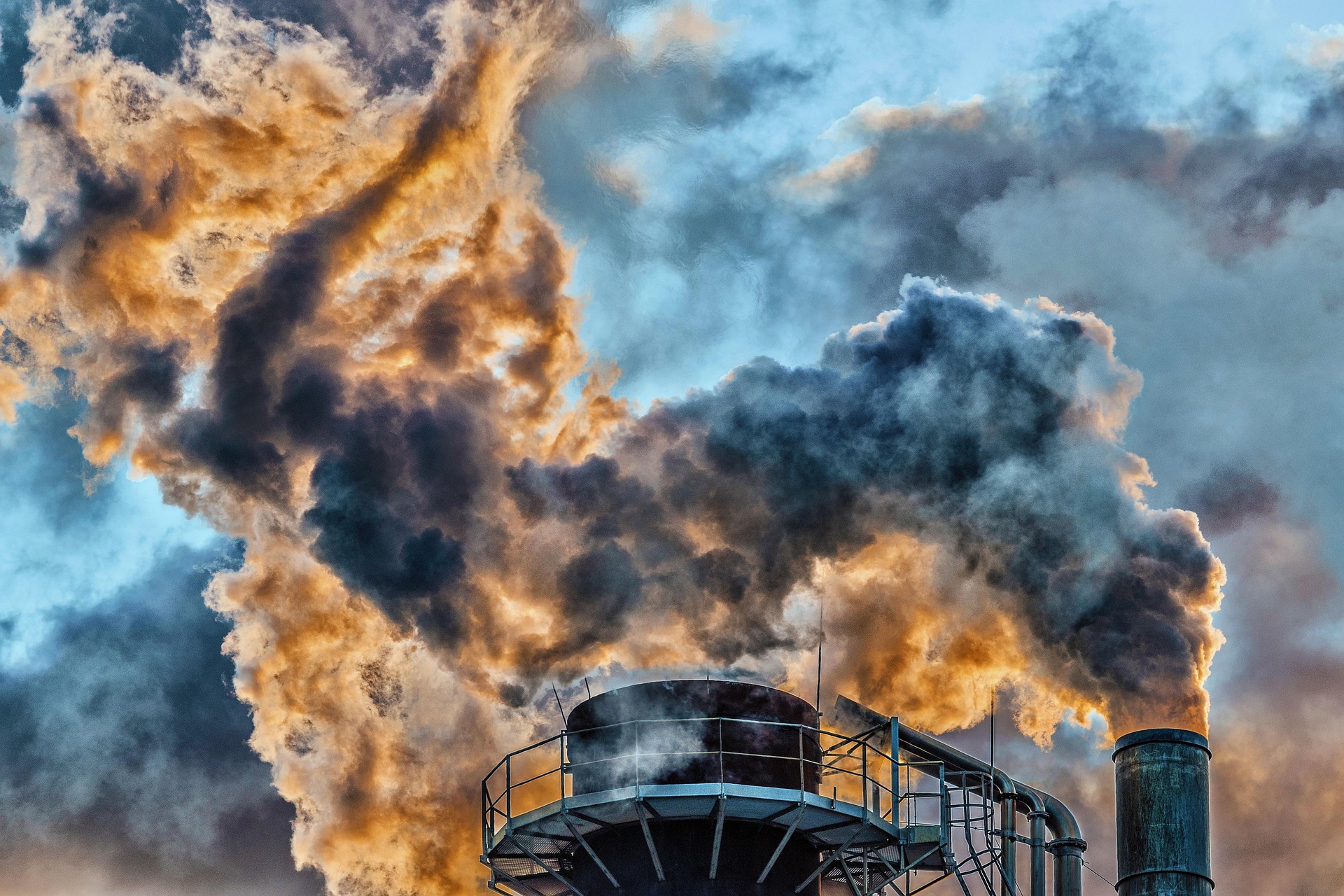
In nature, air is free. But modern civilization, which does not understand its value and importance, has polluted it. Water pollution and air pollution are at their historically highest levels today. The pollutants, such as carbon dioxide (the air we exhale), nitrous oxide, and methane, are referred to as greenhouse gases. Some greenhouse gases in the atmosphere help trap heat from the sun and keep the Earth warm. If these gases are too low, the Earth would become an icy wasteland, and all life, including humans, would perish. Therefore, greenhouse gases are essential, but they need to be balanced. However, the emissions from vehicles, burning of fossil fuels, industrial smoke, dust from construction, deforestation, and extreme weather conditions all combine to degrade the air quality, adversely affecting human health.
The Dangers of Air Pollution
Toxic chemicals, dust particles, smoke, and unpleasant odors are the harmful components of pollution that are categorized as particulate matter (PM). These particles are measured in micrometers (microns). A micrometer is one-millionth of a meter. Particles that are 10 micrometers or smaller are referred to as PM-10, while those 2.5 micrometers or smaller are called PM-2.5, which are the most dangerous. Air pollution is often measured using these two standards. Among them, PM-2.5 is the most harmful. If the concentration of PM-2.5 rises in the air, it can cause a thick fog-like haze that makes everything appear blurred, even though there is no actual fog. This kind of air pollution can be seen even from a distance.
The standard for PM-2.5 concentration is generally 25 micrograms per cubic meter. The lower the concentration, the better. If it exceeds 25 micrograms, harmful toxins can accumulate in the lungs, leading to health issues such as asthma, frequent infections, heart disease, and other respiratory problems. If exposure to pollution continues, the risk of cancer increases, severely affecting public health. According to the WHO report, the average PM-2.5 reading in Delhi is 153—far above the acceptable limit of 25. In many parts of the city, the readings are even higher.
In contrast, cities in New York and London usually have PM-2.5 levels between 50 and 100, and cities like Sydney and Melbourne see levels between 25 and 50. However, in Delhi, it is common to see levels between 150 and 200, and in Bangalore, levels above 100 are the norm. In fact, readings in Delhi have reached 999, which is considered an emergency situation according to international standards. Delhi is ranked as the most polluted capital city in the world, and many Indian cities are among the most polluted in the world. According to the WHO, 13 of the top 20 most polluted cities globally are in India.
India ranks 174th among 178 countries in terms of cleanliness. This is a disturbing reality. In Bangalore, the AQI (Air Quality Index) has even reached 310, a dangerously high level. Meanwhile, in Beijing (once known for the worst air pollution), levels have come down due to severe measures taken in recent years.
The Global Crisis and India’s Responsibility
India has a population of around 1.47 billion. There are more than 55 cities in India with populations exceeding 1 million, and 6 megacities have surpassed the 10 million population mark. But our air pollution levels remain high, and India must take serious measures to address this issue. With Delhi being the worst in terms of air pollution, Bangalore and other major cities are not far behind. The need to reduce air pollution in India is urgent.
In Delhi, private cars account for 22% of the pollution, and in Bangalore, about 49% of the pollution comes from vehicles. The share from two-wheelers and trucks is even higher. To control this, stricter regulations on private vehicle emissions are necessary. However, this may cause a logistical nightmare, requiring a massive increase in public transportation like metro systems, buses, and auto-rickshaws—at a tremendous cost.
The reality is that rich countries, such as the US and China, have historically contributed significantly to air pollution, but they are now starting to take steps to improve air quality in their megacities. However, India, despite its large population and rapidly growing economy, continues to lag in controlling air pollution. Many other countries have managed to reduce their air pollution significantly, but in India, the situation remains dire.
In countries like the US, China, and Singapore, measures like public transportation, green spaces, and tree plantation drives have greatly helped to control pollution. Singapore has managed to control its air pollution through rigorous environmental policies and excellent public transport systems. In China, cities like Beijing have seen dramatic improvements due to similar actions.
Why can’t India do the same? It is clear that India must learn from the successes of other nations and take immediate steps to control air pollution. Our central and state governments must collaborate with experts to form effective solutions. The first step must be improving the air quality. Once that is achieved, it will be easier to tackle other forms of pollution. The health of our citizens and the future of our nation depend on it.
A Call for Urgent Action
The air pollution crisis in India requires urgent attention. Private vehicles, industrial emissions, and construction dust are all contributing to the alarming levels of pollution. Delhi, Bangalore, and other cities must work together to take immediate steps to curb emissions, improve public transportation, and increase green spaces. Public health should be the top priority in these efforts, as it is the true indicator of national development.
The solutions are clear: strengthen public transport, increase urban greenery, and reduce reliance on private vehicles. India must rise to this challenge, for the sake of its people and future generations. Only when we put the health of our people first will we begin to see progress.
Author