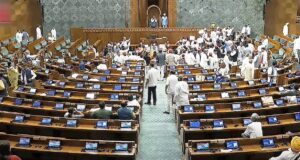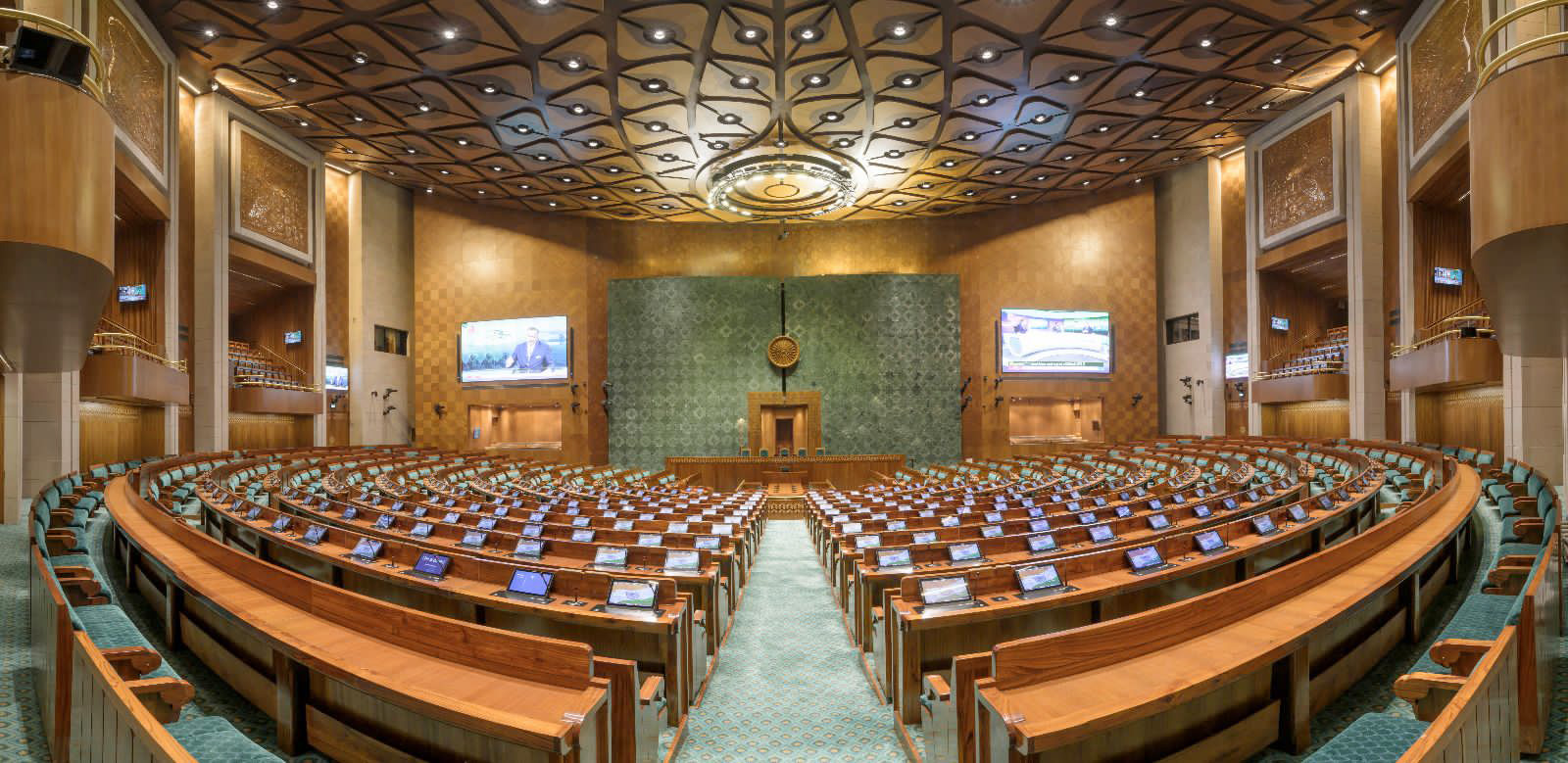
Glimpses of the new Parliament Building, in New Delhi
Reading through the speeches from the early years of parliamentary and legislative assemblies, one can’t help but feel impressed. Regardless of the issues, topics, or opinions discussed, the depth of research, preparation, and scholarly presentation by the representatives and leaders stands out. What happened to all that? How many of our present-day representatives invest time in studying before making speeches? Critical policies and changes are now passed without proper debate. Today, the grand platform for exchange of ideas—our legislative bodies—has largely turned into a space for shouting, protest, personal and constitutional insults, anti-national rhetoric, and escaping legal consequences by making noise.
With the advent of live TV broadcasts, the expectation was that chaos and disturbances in the assemblies would come to an end. However, the belief that the presence of cameras would lead to better behavior has only fueled more theatrics, with the idea growing that politicians need to show they are “on the people’s side” through noise and disruption. The reality is far from constructive debate. If the session proceeds smoothly, it is often considered uneventful, and those who want drama complain that there were no fireworks or excitement.
A Changing Parliament
On January 26, 1950, India officially became a republic, and the parliamentary system was established. The first general elections took place in 1951-52, leading to the formation of the Lok Sabha in May 1952. Since then, the structure of the parliament has changed in several ways.
For example, in 1952, 58% of the parliamentarians were graduates, while today, that number has risen to 78%. In the first Lok Sabha, 20% of MPs were above the age of 56; now, that number has increased to 55%. In fact, today, the average age of parliamentarians has been steadily rising, with a growing number of members over 70 years old. Meanwhile, India’s population is overwhelmingly youthful, with more than 70% of the population under the age of 45. Naturally, younger MPs should have greater representation, but the reality is different. In 1952, 26% of MPs were under 40 years of age, whereas today, it’s just 11%. The number of wealthy MPs has increased significantly, along with the influence of caste-based ticket allocations and an increase in the number of MPs with criminal records.
The Declining Effectiveness of Legislative Assemblies
The effectiveness of parliamentary sessions has also been diminishing. In the 1950s, parliament convened for an average of 127 days a year. In contrast, in 2024, the Lok Sabha convened for only 51 days, and in 2025, it is expected to convene for just 62 days. Even when sessions are held, the quality of debate is rarely satisfactory. Discussions no longer happen in a manner that is thoughtful or conducive to genuine dialogue. What was once an opportunity for intellectual discourse has devolved into an arena where shouting and noise often take precedence over meaningful conversation. As a result, the space for healthy debate and deliberation is rapidly shrinking.
The Need for Effective Leadership and Discipline
No institution or system achieves greatness on its own. The quality of those who run it determines the shape of the institution. Parliamentary and legislative assemblies earn their dignity based on the conduct of both the ruling and opposition members, their respect for the rules, and the impartiality of the leadership. The problem is that most speakers (the presiding officers of the sessions) are often political party members, which makes them hesitant to take strict action against their own party members. This partisan approach undermines the effectiveness of the legislative process, and soon, chaos becomes the norm.
One might look at other parliamentary systems around the world and think they are far more efficient, but the situation is not always better there. In fact, the filibuster in the United States, a strategy used to block legislation through prolonged speeches or other disruptive methods, has become notorious. In Poland in the 16th-18th centuries, a system called liberum veto allowed any member to veto legislation, resulting in the collapse of many legislative processes. When this veto power was abused, it led to chaos, corruption, and ultimately the disintegration of the state.
The liberum veto is a prime example of how giving too much power to individual legislators—without considering the greater good of the entire legislative process—can lead to dysfunction. Unfortunately, in our own time, the excess of disorder and dysfunction in Indian legislative bodies is veering dangerously close to this historical failure.
A Call for Reform and Discipline
If legislative bodies in India are to remain functional, there must be a shift toward more disciplined, respectful, and purposeful debates. The dignity and effectiveness of our assemblies depend on the manner in which they are conducted. If we continue on this path of unrestrained chaos and disrespect, we risk losing the very essence of democracy. It is essential that a comprehensive code of conduct be adopted—one that emphasizes the sanctity of parliamentary proceedings and prioritizes the integrity of the institution over personal agendas.
Rather than treating legislative bodies as a space for drama and confrontation, we must return to the idea that these are spaces for thoughtful, reasoned debate that serve the interests of the people. There is a clear need for stronger leadership to rein in the growing disrespect for parliamentary decorum. Speakers must exercise their power to maintain order impartially, without political bias.
Listening to the People
In any democratic system, the representatives are supposed to voice the concerns of the people. The elected representatives are not above the people—they are chosen to speak on their behalf. If parliamentarians stop listening to the people and begin thinking of themselves as superior, we risk undermining the very foundation of democracy. Our assemblies must reflect the opinions and concerns of the public, and for that, the debates must be genuine and respectful, not a spectacle for the media.
In conclusion, the quality of debates in our legislative assemblies is a reflection of the quality of leadership within them. To ensure that our democratic institutions continue to serve the public effectively, it is imperative that we reinstate the values of discipline, decorum, and respect in parliamentary debates. Without this, we risk not only the credibility of our legislative bodies but also the trust of the people who they are meant to serve.
Author