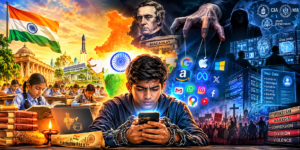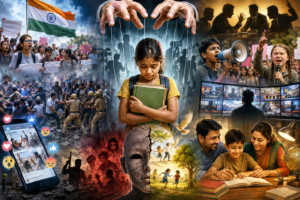
The problem of internal divides and support for terrorist agendas is not exclusive to any one country, but it is a big issue India has had to deal with in recent times. It is a complex and dangerous phenomenon that involves individuals and groups within the country, who either overtly or covertly support or sympathize with those aiming to harm the nation’s security. Managing these internal actors requires both vigilance and a sophisticated approach to ensure national security is not undermined from within.
The incident of the Delhi car bomb blast served as a reminder of the ideological divide and the influence of intellectuals, media figures, and political analysts who sometimes play an ambiguous role in shaping public opinion. After such attacks, there are always those who, instead of unequivocally condemning terrorism, shift focus to questioning the causes behind the acts of violence. This is often done in a manner that muddles the real issue, clouding the understanding of the attack’s true nature.
For instance, there are always attempts to humanize or rationalize the actions of the perpetrators by looking at their backgrounds, economic conditions, or their sense of grievance. While it is important to examine the root causes of radicalization, there is a danger in offering justifications for violence under the guise of intellectual debate. In many cases, such rhetoric might intentionally or unintentionally undermine the national security response, causing confusion and moral ambiguity.
This trend is not new, and has occurred in various parts of the world, including in America, where influential figures have sometimes downplayed the threat of terrorism by offering nuanced or even sympathetic interpretations of the motives behind violent acts. For instance, in the context of the Palestinian-Israeli conflict, certain segments of the American intelligentsia and media aligned themselves with the Palestinian cause, sometimes drawing parallels between terrorist acts and freedom struggles. This tendency to sympathize with insurgent or militant groups has led to a distortion of facts, obscuring the line between terrorism and legitimate resistance.
India has seen similar patterns, where influential intellectuals, journalists, and political figures have, at times, openly sympathized with groups like SIMI (Students’ Islamic Movement of India) or other radical factions. These individuals have, through their actions, statements, and affiliations, created an environment that encourages radical ideologies to proliferate. Whether it is through social media debates or public discourses, they create an atmosphere where questioning the state’s actions and advocating for the adversaries can seem like legitimate dissent.
A particularly concerning trend is the unofficial diplomacy that is carried out by retired officials, journalists, and public figures. In the past, there have been reports of Indian officials and intellectuals engaging with Pakistan’s ISI (Inter-Services Intelligence) and Pakistani diplomats, often with the intention of creating backchannel communication or participating in off-the-record meetings. For instance, there have been cases where retired Indian diplomats, journalists, and even public figures were invited to Pakistan for diplomatic engagements that were not authorized by the Indian government. The proximity and sympathy of these individuals towards Pakistan and its causes have been used to further Pakistan’s interests within Indian circles, even if subtly.
Such actions are dangerous because they provide an unofficial cover for those furthering an agenda that runs counter to national interests. The lack of accountability in these engagements makes it even more difficult to monitor and control the narrative, leading to confusion about India’s foreign policy and its stance on sensitive issues like Kashmir.
The Challenge of Managing Internal Support for Foreign Agendas
One of the key issues India faces is the presence of individuals or groups who, either out of ideological sympathy or personal interests, support foreign adversaries—not just Pakistan, but also other hostile countries like China. The real danger is that these groups often have access to platforms (media, academic circles, politics) and resources that can amplify their voices, spreading anti-India sentiment among the masses.
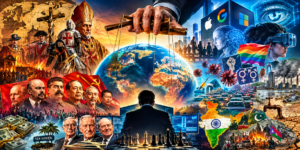
The international context is also critical. India’s adversaries, particularly Pakistan, have been adept at exploiting these internal sympathies to weaken India’s political cohesion. The assistance of foreign intelligence agencies like the CIA or Chinese influence cannot be ignored. These external powers recognize the potential of these internal divisions and often work to further nurture them to suit their own interests.
The challenge, therefore, is not just about confronting external threats, but also about tackling internal narratives that may inadvertently aid these external adversaries. How does one handle the divided domestic front while ensuring national unity in the face of external pressure? The answer lies in clear legal frameworks, transparency, and political accountability.
India lacks a robust legal framework that defines acceptable conduct for its political elites, intellectuals, and media figures when it comes to foreign relations. There is a dire need for greater transparency in how individuals with significant political influence and intellectual credibility are allowed to engage in diplomatic actions or interactions with foreign powers, especially adversaries. Former officials who still carry privileged information about the state should be held accountable for their public engagements.
Transparency and accountability in public diplomacy are critical, as national security concerns may arise from personal interactions that are not authorized by the government. The ethical duty of public figures should align with the nation’s sovereignty and security interests, and there should be legal repercussions for individuals who act against the national interest.
Author